January is a season of new beginnings. It’s a time when we reflect, set fresh goals, and consider how we want to show up in the year ahead. For many, that includes finding meaningful ways to connect, give back, or simply learn more about the needs in our community.
This month, we’re honoring new starts, for our community, for the children we serve, and for the people who choose to walk alongside them. Becoming a CASA volunteer is one of many ways individuals support children and families living in foster care, offering consistency, advocacy, and hope during times of change.
As you look ahead to the year to come, we invite you to explore what a new beginning might look like for you, and how your time, voice, or support could help create stability and opportunity for a child in our community. Thank you CASA volunteers for the continued support you give to these youth.
In The Spotlight – New year, new initiatives, fresh starts

Big news to start the new year! Thunderbirds Charities has awarded VOICES a $75,000 grant to transform how our community understands and talks about CASA volunteers. They support children and family non profit organizations through out the Greater Phoenix Metropolitan Area, and we are so grateful to have their support in amplifying our awareness throughout the community.
This grant will allow us to partner with a digital advertising expert to bring fresh, compelling content to more people across Arizona. We’ll expand our reach on Google, social media platforms, and emerging channels—making “CASA volunteer” a role everyone recognizes and understands.
Why this matters: More awareness means more volunteers. More volunteers means more children will have someone who shows up and stays. Children with a CASA do better in school, experience more stability, and are less likely to re-enter foster care.
Want to be part of this momentum? Share our stories when you see them. Tell a friend what a CASA volunteer does. Help us make “CASA volunteer” the answer everyone knows.
Together, we’re building a community where every child in foster care has someone in their corner.
“Thunderbirds Charities is proud to support VOICES as they mobilize community members to become CASA volunteers. This investment strengthens the pipeline of trained advocates so more youth living in foster care have a dedicated CASA focused on their best interests when it matters most.”
Thank you to Thunderbirds Charities for investing in Arizona’s children and believing in the power of community awareness.
Learn about Thunderbirds Charities
My CASA Journey – You got this
 The start of a new year invites fresh beginnings and a renewed commitment to showing up. For CASA volunteers, showing up is not about grand resolutions. It is about consistency, care, and meeting a child exactly where they are.
Sometimes that looks like knowing their Starbucks order by heart or helping them begin the year with extra school supplies. Sometimes it is laughing through a messy STEM experiment or planning an experience around what brings them joy, from a hip hop dance performance to a January birthday trip to Enchanted Island, cotton candy included.
It can mean cheering on a sports-loving teen at a Valley Suns basketball game or having thoughtful conversations with a 17-year-old about work, education, and financial guidance through AFFCF’s Keys to Success program.
These moments may feel small, but in a season defined by change, they create stability.
This is what CASA volunteers do. They take the time to learn what matters to a child and they show up in ways that build trust, connection, and hope. As a new year begins, this steady presence is often the most meaningful new beginning of all.
That is the impact of showing up.
Want to make a difference in your community?
If this story speaks to you come join us at our next information session, and learn what it really means to become a CASA Volunteer.
Education – The importance of a clean slate

It’s easy to hold onto past behavior. As humans, we are wired to remember what did not work. Our brains look for patterns to protect us. So when we find ourselves in a familiar moment, it makes sense to brace ourselves. Thoughts like, “This always happens” or “Here we go again” can come up without us even noticing.
But when we hold onto a child’s past behavior, it changes how we show up. Our tone shifts. Our patience shortens. Children can feel that, often before anything is said. When a child senses judgment or disappointment, their nervous system can move into defense mode. In that state, learning and cooperation become much harder.
For some children, this is even more complex. Stress, trauma, and neurodevelopmental differences can affect how the brain understands cause and effect. For example, children with Fetal Alcohol Spectrum Disorders (FASD) may not be able to connect past consequences with present behavior in a reliable way. Expecting a child to do something their brain is not yet capable of is a recipe for frustration, not growth.
Letting a child start fresh does not remove responsibility. It makes change possible. And for children, that message matters. You are more than your hardest moments, your story is still unfolding.
In Focus – Invest in families
 It is crucial that society continuously review, adjust, and strengthen every level of community—whether a municipality, a system, or an individual family—to better support children and youth.
Several important steps have recently been announced to bring greater focus, parity and support for caregivers and youth themselves.
In Arizona, Governor Hobbs issued a press release announcing that the Department of Child Safety (DCS) will increase support for licensed foster care placements by implementing a 50% increase in the daily reimbursement rate for licensed foster families. This increase applies to families caring for children ages six and older, including licensed kinship foster families. The adjustment equates to an average increase of approximately $1,000 to $1,700 per child per month, depending on the level of care required, and becomes effective December 1, 2025.
This investment has the potential to significantly aid in recruiting and retaining much-needed foster placements while continuing efforts to reduce reliance on congregate care. DCS has projected a statewide shortfall of more than 1,000 licensed foster placements for this age group in 2026.
Additionally, this change may encourage more kinship caregivers to become licensed foster placements, allowing them to access additional benefits and financial support.
On the national front, First Lady Melania Trump announced her signature initiative, Fostering the Future for American Children and Families. This program calls for a collaborative approach among federal agencies, the private sector, nonprofit organizations, and academic institutions. Its goals include modernizing the U.S. child welfare system and creating more stable pathways for youth transitioning from foster care into adulthood. These young people need meaningful access to education, employment opportunities, and both short and long-term financial stability.
Tax Credit Benefits
VOICES is a Qualified Foster Care Organization. You can receive tax credit benefits for your donations in the 2025 & 2026 tax filing year! QFCO #10010.
#BeTheirVoice

 When you ask Google for the definition of Cherish, three statements pop up:
 Thank you for the wonderful gifts contributed so far—we’re truly grateful. There is still more impact to be made, and your support can make a difference. Shop now or help spread the word by sharing our holiday gift list.


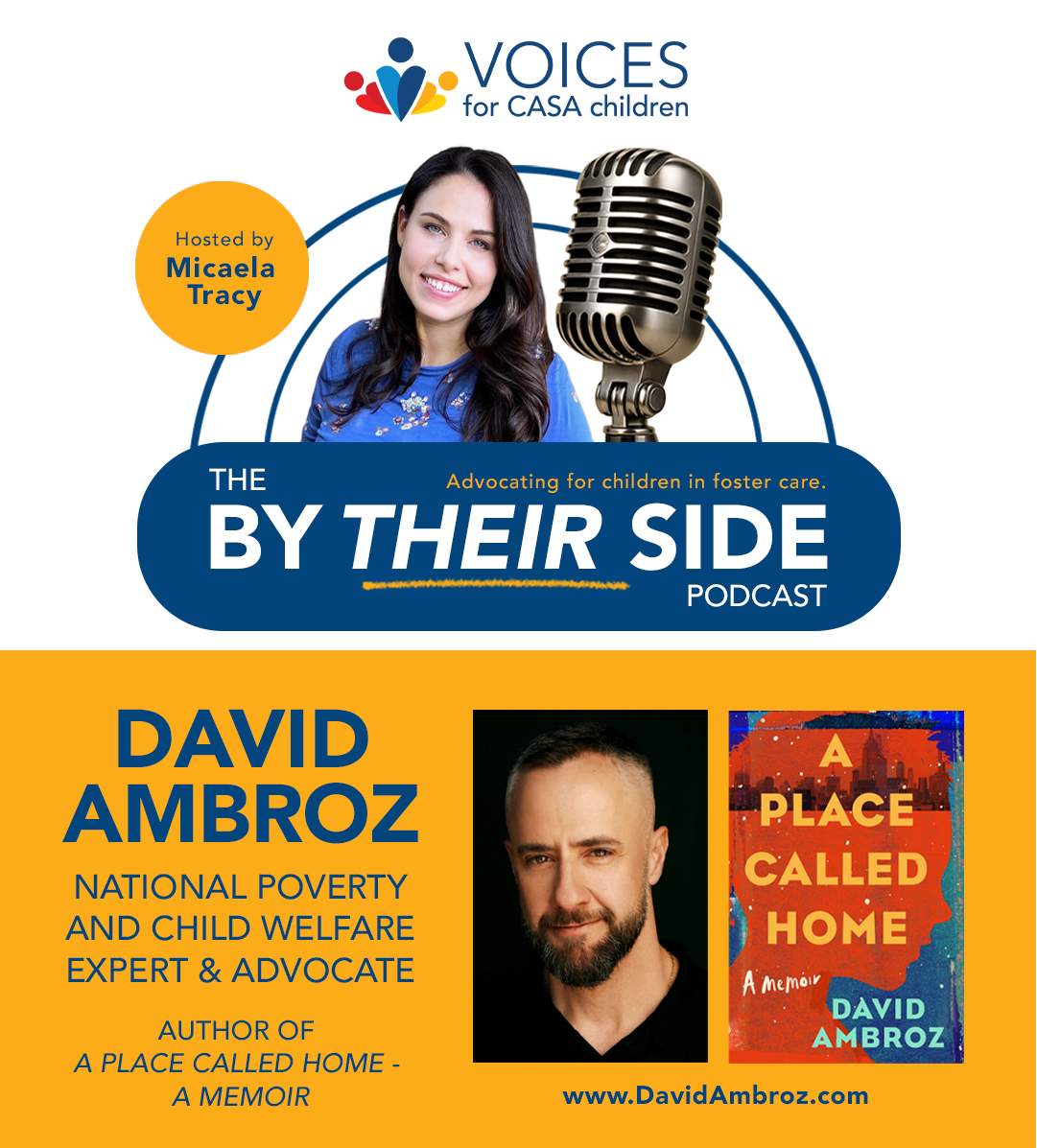 VOICES recently hosted a live recording of the By Their Side podcast featuring bestselling author and national child welfare advocate, David Ambroz, whose memoir A Place Called Home chronicles his journey from homelessness and foster care to national advocacy.
 The recent government shutdown and risk to SNAP benefits reminded us how fragile food security can be for many families. For children, that uncertainty reaches far beyond the dinner table. Research shows that children who experience food insecurity are more likely to struggle with concentration, emotional regulation, and physical development. Chronic hunger can change the way a child’s brain develops, influencing everything from memory to mood.


 The holiday season is almost here, and Voices for CASA Children is excited to kick off our Annual Holiday Gift Drive to bring joy to children who are not home for the holiday. For many of these kids, the holidays can stir-up feelings of longing and separation, but a simple gift can remind them that they are seen, cared for, and not alone. Each gift makes a real difference.


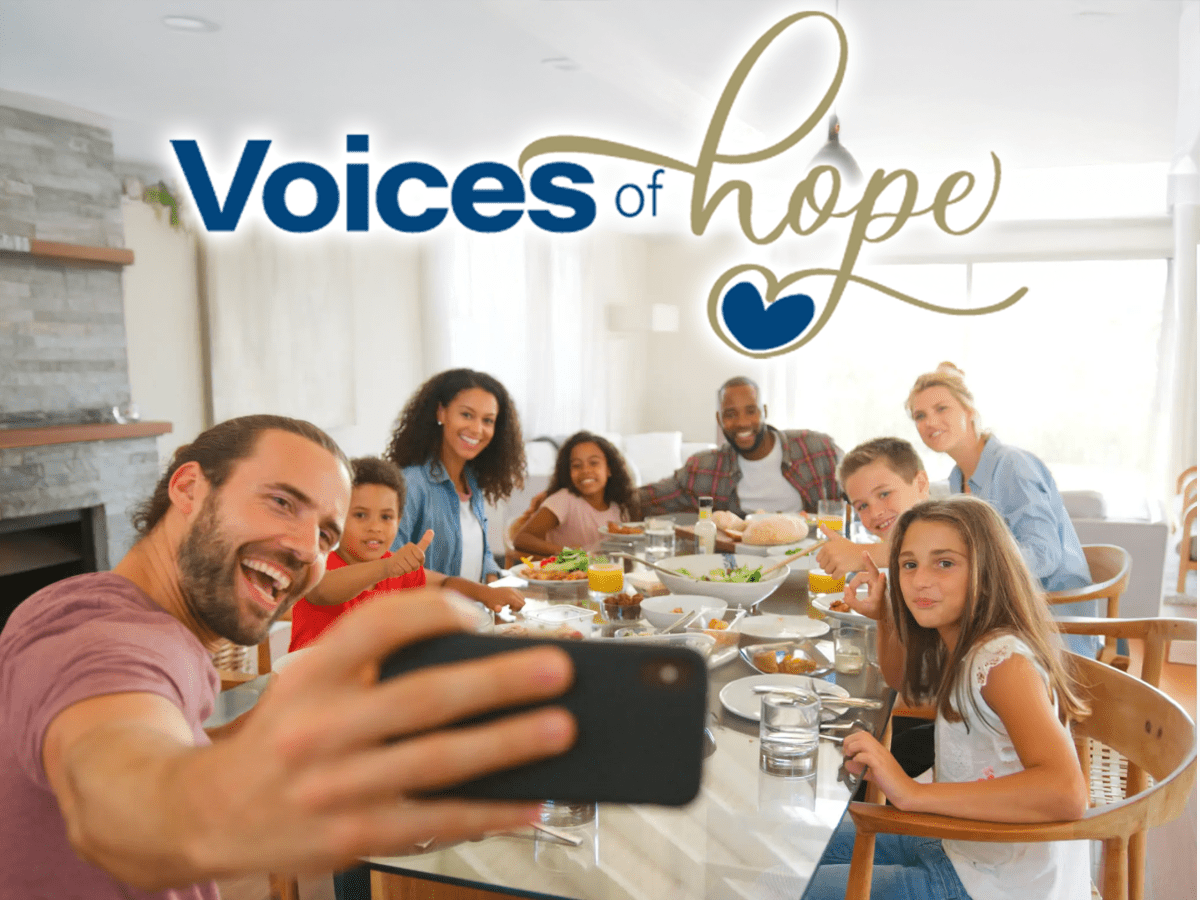

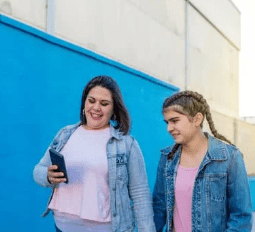 The average time for youth living in foster care can vary, but for some youth it may be years. During that time, the foster or group home where the child lives can change due to a variety of factors. Finding stability is challenging, but finding a connection and kinship with someone can happen with a CASA Volunteer.

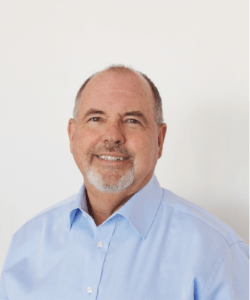
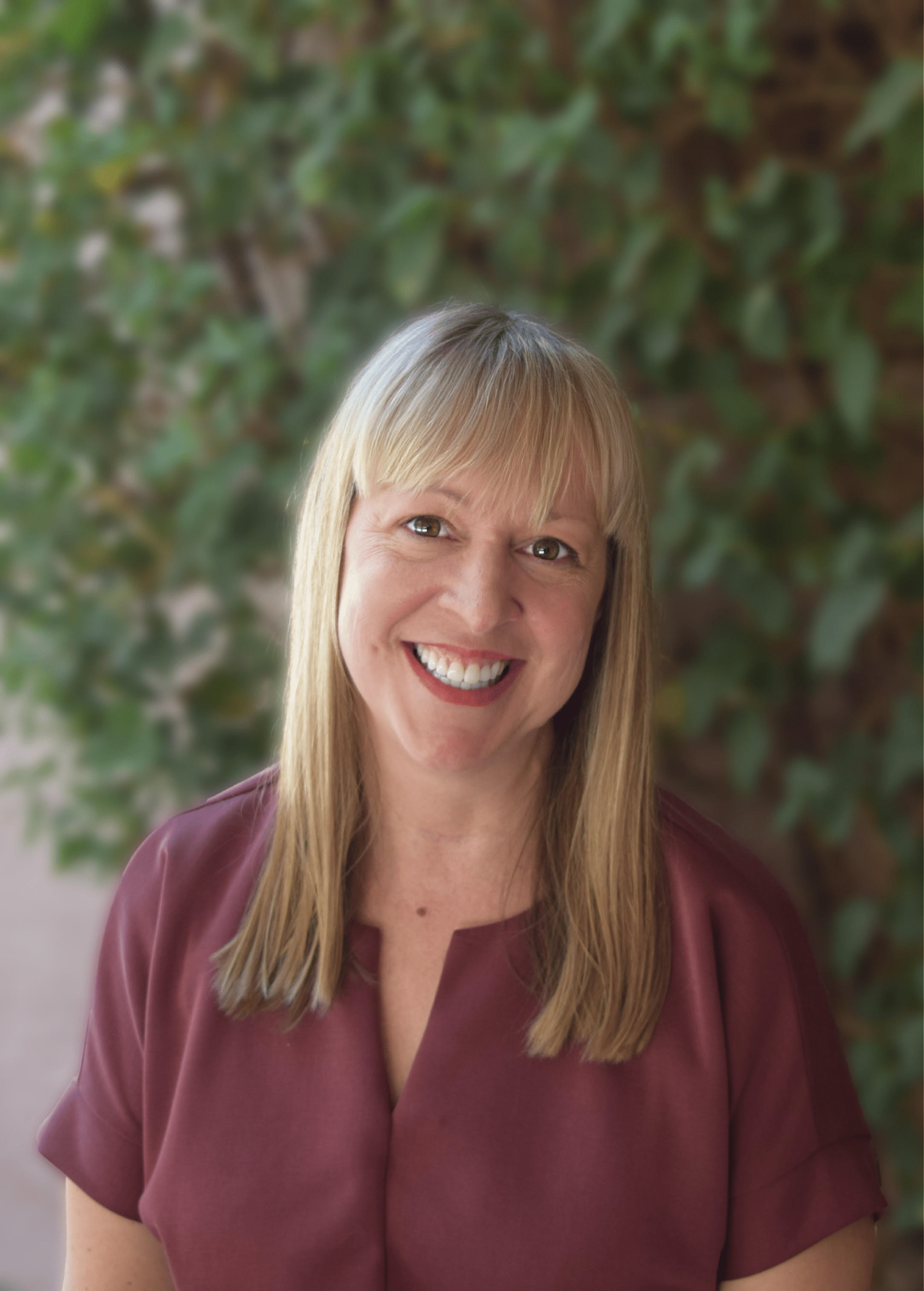


 SCHEELS has been in business for over 120 years and is in 16 states. While they are still fairly new to Arizona, VOICES has already felt the generosity they bring to the community through their employee-led Giving Campaign.
 Youth who turn 18 and have not been placed in a permanent home, either through family reunification, guardianship or adoption, face a big decision. They can exit into the world with potentially little support or they can choose to transition into the DCS Extended Foster Care program. CASA volunteers help guide these young adults to make the choice that is in their best interest. Even though the youth may be excited to be on their own, they may not have the transportation, financial means or life skills needed to stay safe, housed and in school.


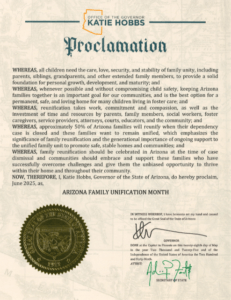 June is National Family Unification Month. This movement is sponsored by the American Bar Association and celebrates families who have been involved with the Department of Child Safety and achieved permanency through family reunification. The name change from ‘Reunification’ to ‘Unification’ reflects the full spectrum of the family journey from prevention to reunification to unification and long-term healing.






 Hope can be a powerful catalyst for change for families navigating the child welfare system, yet it is often overlooked in conversations about advocacy and support. For CASA volunteers and those working with children and families, recognizing the role of hope in a parent’s journey can lead to deeper understanding, greater empathy, and more effective advocacy.








 This year’s celebration featured the finalization of 55 adoptions, ranging from toddlers to teenagers, and underscored the profound love and dedication adoptive families bring to the table.