Tag: Strengthening Advocacy Through Education

  • Voices of Hope, Let’s Talk

    Voices of Hope, Let’s Talk

    Spring Greetings to our VOICES Community!

    In this season of growth and renewal, our March newsletter blooms with stories of resilience and compassion. Just as nature awakens and fosters growth, CASA volunteers listen and nurture the potential within each child, cultivating a future filled with promise and possibility.

    Whether it is helping their appointed youth to maintain fulfilling relationships that transcend barriers or recognizing seemingly small, but ever-important, needs that might otherwise be overlooked, CASA volunteers sow seeds of hope. Seeds that will blossom into bright tomorrows.

    In The Spotlight – “By Their Side” Podcast
    VOICES is thrilled to announce the launch of our new podcast series, ‘By Their Side!’ Join us as we engage industry professionals in candid discussions on topics such as trauma, attachment, and effective advocacy strategies. Listeners can tune in monthly to gain invaluable insights and empower their advocacy journey.

    We believe in providing quality education for every CASA, regardless of their situation or availability.

    Whether they’re commuting to work, tidying up the kitchen, or simply unwinding on the couch, our podcast series allows them to learn anytime, anywhere! By Their Side isn’t just for CASA volunteers; it’s for everyone in our community. With a diverse range of topics applicable to various relationships and aspects of life, this podcast is inclusive and engaging for all.

    As we deepen our understanding of subjects like trauma and attachment, we strengthen our ability to support children and families effectively. Join us on this educational journey and be a part of positive change!

    Listen To The Podcast

    My CASA Journey – Maintaining Sibling Connections

    The importance of maintaining sibling connections is well known. The reasons they are not kept together when removed from their home may not be as well understood. One of the most common reasons for separation is the lack of foster homes that can accommodate sibling groups, especially large ones. Or sometimes siblings enter foster care at different times.

    CASA volunteers can be instrumental in seeing that siblings stay connected. One CASA volunteer found ways to connect the older sibling who had aged out with those still in foster care. Another accepted additional cases in order to advocate for all the siblings. Recently, VOICES hosted an Organ Stop pizza outing which helped bring siblings together to fill their stomachs and their hearts.

    Said one CASA: “We will make Organ Stop a special occasion! I know they will enjoy it!”

    DATA: Casey Foundation research indicates “that between 65% and 85% of children in foster care have a sibling in care and it is estimated that 53% to 80% of children with siblings are separated from one or more of their siblings.”

    Learn More at Casey.org

    Champions For Positive Outcomes – The Giles W. and Elise G Mead Foundation

    The ‘By Their Side: Advocating for Children in Foster Care’ Podcast launch is made possible by a grant from The Mead Foundation.

    This grant continues a focus on leveraging technology to strengthen advocacy skills through education. The Mead Foundation has been by the side of VOICES for several years. Their support in prior grants have allowed us to expand the depth and breadth of our flagship Education Program. These include offering both a virtual and on-demand curriculum for CASA volunteers and engaging with highly-skilled expertise in the fields of trauma, behavioral health, etc.

    The Mead Foundation supports organizations dedicated to improving the environment, advancing medical science and addressing societal needs. VOICES is deeply grateful to be included in their vision for a better world. Their support transcends directly to youth; for today and tomorrow.

    Community & Youth Connections – Arizona Friends of Foster Children Foundation
    Arizona Friends of Foster Children Foundation (AFFCF) has and continues to be a critical source of support to CASA volunteers and their court appointed youth. Throughout the years, they listen carefully to the needs and expand their offerings when these gaps arise.

    For example, natural hair care is so integral to self esteem. It’s important for placement to understand the need and ensure proper hair care is available. A few years ago, VOICES held workshops for CASA volunteers to better understand the need, the products involved and care required.

    Recognizing this need, AFFCF then expanded their award guidelines to include regular funding for protective styles for natural hair such as braids, extensions, straw sets, and twists for African American hair care. They also sought and continue to grow a list of preferred partners who provide these services.

    Thank you for 40 years of commitment to Arizona Youth!

    In Focus – Awareness and Education
    VOICES participates in various opportunities to learn more about evolving thought in child welfare and how we can have collaborative and strong child welfare partnerships in Arizona.

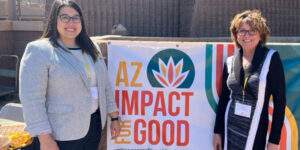
    Recently, we attended Advocacy Day sponsored by AZ Impact for Good, an association dedicated to the non-profit and philanthropic communities. Here we were able to engage in educational conversation with legislators and talk about the important role of Court Appointed Special Advocates.

    We also met other non-profit leaders whose organizations are doing important work throughout our community.

    VOICES attendees: Trista Guzman Glover, Board President and Victoria Strayer, Co-Founder

    Strengthening Advocacy Through Education

    Research shows that maintaining birth parent connections is beneficial in many ways for children living in foster care.

    Regardless of the case plan, understanding their origins and cultivating meaningful relationships with biological relatives can provide children with a sense of belonging, stability, and emotional well-being.

    These familial ties offer a vital link to a child’s roots, heritage, and identity. It helps them develop a more comprehensive understanding of themselves and their family history, contributing to a stronger sense of self-esteem and identity.

    Having stronger connections to birth families can benefit not only the child but also foster and adoptive parents. These relationships contribute to smoother transitions and adjustments during the adoption or foster care journey, fostering healthier family dynamics and ultimately supporting the child’s overall development and well-being.

    For insights into the significance of birth parent connections, tune in to this podcast episode featuring a birth mother’s perspective.

    You can read more about it here: Helping Children and Youth Maintain Relationships With Birth Families

    (This was the Voices of Hope newsletter, March 2024. Subscribe to receive more.)
  • Voices of Hope, Champions Together

    Voices of Hope, Champions Together

    As February unfolds, we embrace the spirit of champions and the strength that lives in all of us. Just like the athletes at the Super Bowl or the Waste Management Phoenix Open, CASA volunteers are true champions for children living in foster care.

    Yet, let us not forget the other half of this dynamic duo – the youth themselves. In the face of challenges, they showcase remarkable strength and courage. Together, CASA volunteers and the youth they support create the ultimate team, proving that strength is a shared journey.

    Follow along as we celebrate and highlight the power of advocacy and the champions who make it all possible.

    In The Spotlight – Their Story, Our Why

    There were many champions in 2023! CASA volunteers, youth, supporters…and the team here at VOICES honors each of them.

    Take a moment to read a few of the 2023 impact stories. These will help you gain a deeper understanding of the CASA volunteer role and, most importantly, how a youth’s day-to-day life was improved and their outcomes made more promising.

    Read These Impact Stories

    My CASA Journey

    As a CASA Volunteer, you never know what unique needs you uncover as you get to know your appointed child.

    Sometimes it is identifying the gaps such as a bank account for a minor or a kinship placement that is low on diapers. Or unique situations such as the child who wanted to know his ancestry or a toddler requiring a custom medical car seat. Often it is simply wishes for ballet shoes, basketballs or a trip to the water park. Tiny requests for tacos at lunch, a Saturday baseball game or seeing the lion at the zoo.

    At these times, a CASA is not only filling gaps, but building strength in that child’s ability to believe in a hopeful tomorrow.

    Champions for Positive Outcomes – Kappa Alpha Theta

    There are champions worldwide! Kappa Alpha Theta is a fraternity that was founded in 1870 with 147 collegiate chapters in the United States and more than 200 alumnae chapters and circles worldwide.



    And their philanthropic focus is the Court Appointed Special Advocate (CASA) program!

    Theta women are passionate in their sisterhood and in making a difference in their community.

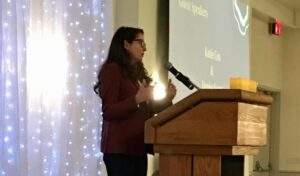
    Through VOICES, CASA volunteers and their appointed youth have benefitted from the generosity of the ASU Collegiate and local alumnae chapters. Last month, VOICES was honored to speak on the annual Founders Day Breakfast. We shared how the Theta community has helped to make a positive impact on the CASA volunteer experience and youth living in foster care.

    We are forever grateful to this community of strong and compassionate women.

    Thank you, Thetas!

    To learn more about Kappa Alpha Theta:

    Community & Youth Connections – Book Drive

    Books are more than just stories; they are windows into new worlds, opportunities for learning, and sources of inspiration. VOICES believes that reading is the cornerstone for learning in all areas of life. Reading is essential for a child’s development as it enhances language skills, stimulates cognitive growth, and fosters academic success. It promotes empathy, social skills, cultural awareness, and emotional bonding.

    That is why our book drive holds such significance for the VOICES Hope Bag Program, which aims to support CASA Volunteers in their first interaction with their appointed youth. These Hope Bags, comprised of an age-appropriate toy, book, and blanket, serve as a beacon of hope and connection for children navigating the complexities of life in foster care. They help “break the ice,” creating a sense of support and trust between the child and their CASA.

    During the month of March, Voices for CASA Children will be hosting our yearly book drive to offer these unique experiences to the CASA volunteers all year long. So, how can you get involved? It’s simple! Contribute to the VOICES 2024 Book Drive by shopping our Amazon List. You can select from a curated collection of titles and have them shipped directly to our office. It’s never been easier to make a difference in the life of a foster youth.

    Start by donating new books through our Amazon List, and let’s make this the most successful book drive yet! #forthechildren

    Shop Our Amazon List

    In Focus – Connecting With You

    VOICES is now leveraging text message communication to provide our supporters an easier way to participate in supporting youth through our various drives. For example, we sent a text message to our supporters to highlight the holiday gift drive and will use text messaging for our upcoming book drive mentioned above. This supplements our traditional email communication.

    If you have not received text messages from VOICES, but would like to be included in future campaigns: Yes, Include Me!

    Reminder: You can still donate to a Qualified Foster Care Organization (QFCO) and receive tax credit benefits for the 2023 tax year. Reference VOICES QFCO #10010

    Be A Champion For Youth – Donate Now

    Strengthening Advocacy Through Education

    Being a child advocate means championing for appropriate placement, resources, and avenues for healing. Although research consistently highlights the remarkable resilience of children in foster care, this resilience is not inherent; it’s developed through meaningful connections and long-lasting relationships. CASA volunteers understand the profound impact of relational connectedness on a child’s development and well-being.

    By providing consistent support, empathy, and guidance, they help children living in foster care build trust, self-esteem, and a sense of belonging. These bonds serve as the cornerstone of resilience, empowering children to navigate challenges and thrive despite their circumstances. Through advocacy and genuine care, CASA volunteers play a pivotal role in fostering resilience and ensuring every child has the opportunity to reach their full potential.

    Read this article to learn more about promoting resilience in children, and check out the Unbelievably Resilient podcast to hear first-hand stories of adults who experienced foster care

    (This was the Voices of Hope newsletter, February 2024. Subscribe to receive more.)

  • Voices of Hope, Living and Learning

    Voices of Hope, Living and Learning

    Life is a wonder every day. Cherish the lessons of the past and use them as a springboard for a bold future. Reach for the stars and get ready to learn even more!

    Court Appointed Special Advocates (CASA) combine academia, peer collaboration and life experiences to be the trusted advocates for youth and a voice of integrity for the Juvenile Court Judge. We appreciate all those who thirst for knowledge and are inspired to shine a light on a brighter and more informed future for dependent youth.

    In The Spotlight – Information Sessions

    The New Year brings new hope and opportunities. If you think this year might be the time to learn more about becoming a Court Appointed Special Advocate, we are excited to have you attend an Information Session.

    Every month Voices For CASA Children hosts Information Sessions both virtually and in person. Attending one of the 40-minute sessions is a great way to learn more about the duties of a CASA volunteer. A VOICES staff member, who is also a CASA volunteer, will outline responsibilities, the application process, one-time and on-going training requirements and the general time commitments.

    Most importantly you will gain deeper insight regarding the real-time and life-long impact you can have on the life of a child living in foster care.

    There are over 9,000 youth within the AZ Department of Child Safety. Our dream is that every child has the opportunity to have a CASA volunteer by their side.

    You can help us make that happen! If the time is not right for you, it may be for your friend, neighbor, co-worker or other members of your family. Please spread the word!

    It is easy to sign up for an information session.

    My CASA Journey – Advocating for Older Youth

    Advocating for Older Youth: When a CASA is appointed to an older teen, the advocacy timeline intensifies knowing a youth is headed to adulthood. After experiencing trauma, and often multiple placements, they are now at risk of leaving foster care without a permanent home.

    There is much to do and less time to do it. All teens need practical experience and basic life skills – from the simple things (laundry) to bank accounts and understanding options for college or employment. A teen that has been living in foster care has additional and unique challenges. For example, no transportation to a job, solo bank account as a minor, catching up in high school, etc.

    Understanding these challenges, a variety of tools and resources have been created by community partners that are dedicated to focusing on improving the outcomes for these teens.

    As a start, CASA volunteers can use a Transition Toolkit providing practical tips for the youth developed by Foster Club of America. This toolkit provides a tactical method to identify the life skills most important for their situation and help the youth gain more control over their own future. The path to adulthood means helping teens navigate the many processes as they apply for college, a job or try to find a future place to live.

    As CASAs identify the priorities, they reach out to organizations such as AFFCF who offer funding to assist with the bumps that can derail a successful college stay. Programs at EVIT and the Paul Revere Academy offer combined high school and vocational training with dormitory to address the lack of housing for youth in or leaving foster care. Sometimes it is awareness of a need that spurs action such as the recent decision by Arizona’s universities to keep dormitories open for youth who have nowhere to go during school breaks.

    Most importantly, it is the support team that needs to surround a teen exiting foster care – and the CASA volunteer is integral in that team to connect them with a community ready to help so youth have a hopeful and successful future.

    Expand the Hope! Employer Charitable Giving Programs

    To reach more youth who will need a CASA volunteer in the future, it is imperative that we grow our network of supporters. There are many generous and socially-minded businesses in Arizona who actively encourage employees to be involved in the betterment of their communities, either through volunteerism or financial support. Help them learn about child advocacy!

    Sign Up! – Check with your Human Resources department to see if your employer supports charitable giving through payroll deduction.

    Does your company have a charitable giving directory? – This is typically a listing that employees can review when choosing a philanthropic organization for payroll deductions or one-time giving request. If so, let’s get VOICES added to the list.

    Increase your impact! – Your employer may also offer a charitable giving match program. If so, follow your corporate guidelines so they are aware of your donation. Some companies not only match, to a specific threshold, payroll deductions but also one-time donations that have been made directly to a charitable organization.

    VOICES benefits from the generosity of donors and business leaders through this charitable giving strategy. Thank you for helping us spread the word! If you have any questions or your employer needs information directly from VOICES, contact info@voicesforcasachildren.org.

    Make a Donation Today.

    Community & Youth Connections. Individuals with Disabilities Education Act

    Through the Individuals with Disabilities Education Act (IDEA), eligible children with disabilities in Arizona (and nationally) are provided free appropriate public education (FAPE), including special education and related services. Parents typically play a critical role in the special education process, however, if a parent is not available, given the framework and provisions of IDEA, eligible children in Arizona (including those in foster care) can be appointed a “surrogate parent” through the Arizona Department of Education.

    The surrogate parent is a trained volunteer who represents and advocates for the educational needs and rights of the child, including engaging with school personnel, actively participating as a parent in special education related meetings, consenting to evaluations and provision of services (including Individualized Education Plans (IEP), reviewing child’s educational records, and fulfilling other key supporting functions on behalf of the child.

    Currently, there are approximately 500 children who have a Surrogate Parent appointed, including youth in foster care. If you are interested in learning more about this program, or in volunteering as a Surrogate Parent, please check out the Arizona Department of Education Surrogate Parent Program.

    In Focus – Education Guidelines for Arizona Youth Living in Foster Care

    The Every Student Succeeds Act (ESSA) contains key provisions to promote educational stability and success for students living in foster care. The Arizona Department of Education website is a comprehensive resource to learn more about the laws and guidelines that apply to educators and others supporting students.

    https://www.azed.gov/fostercare

    One of the responsibilities of a CASA volunteer is to help ensure the best decisions are made for youth regarding traditional and specialized education. Given the turmoil youth may feel due to removal from their home, ensuring a stable and appropriate educational environment can be crucial.

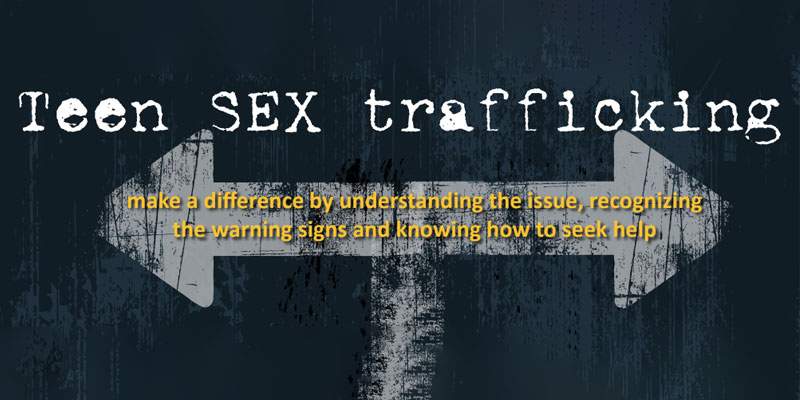
    January – Human Trafficking Prevention Month

    Dedicated to raising awareness, increasing prevention efforts and providing more support to survivors. Youth living in foster care and group homes are particularly vulnerable. These children lack stability, proper oversight and may be tempted by a false sense of security offered by the predator. Many underage trafficked youth also have a history of sexual abuse.

    A CASA volunteer may be the only adult who knows the teen well enough to even recognize changed behaviors as warning signs.

    To understand more about the risk factors and warning signs: Teen Sex Trafficking Awareness Training Brochure

    If you suspect human trafficking contact the National Human Trafficking Hotline: 1-888-373-7888

    Strengthening Advocacy Through Education

    Many people have heard of the fight, flight, freeze, or fawn phenomenon. This survival instinct was developed over time to protect ourselves and ensure the continuation of the human species. But what happens when this instinct becomes maladaptive? Children who have experienced traumatic events often become stuck in this survival mode. Their reaction may take the form of angry outbursts, detachment, running away, or other dangerous behaviors. A primal reaction that may have once kept them safe now inhibits their ability to learn and form healthy attachments with others.

    In the VOICES education program, CASA volunteers learn how to approach a child who is trapped in their survival mode. Telling a child that they are safe is not enough. They must be made to feel safe in their body and brains. CASA volunteers learn how to use their tone of voice, spatial positioning, and body language to invoke a feeling of safety in a traumatized child. With repetition and continuous positive regard, CASA’s can help a child’s brain move from fear to connection. Meeting this basic need of safety allows a child to learn more adaptive skills and ultimately form healthy relationships with the safe people in their lives.

    To learn more about the threat response, check out this short video by Dr. Bruce Perry, M.D., Ph.D.

    (This was the Voices of Hope Newsletter, January 2024. Subscribe to receive more.)

  • Voices of Hope, You Make It Possible

    Voices of Hope, You Make It Possible

    Young people count on caring adults to keep them safe, loved and guide them to a life of opportunities. We are thankful for Court Appointed Special Advocates that focus on being the voice for teens. We also give thanks to all of you who trust us to support all CASA volunteers in this important journey. We are honored and forever grateful.

    In The Spotlight – Creating Spontaneity Holiday Toy Drive

    That special moment when a child opens a gift and feels instant joy – when the child feels love instead of concern. The spontaneous holiday moments we hope will flow naturally this year actually requires advanced thought and planning. One example of holiday readiness is the 2023 Voices for CASA Children toy drive that is taking place now.

    The VOICES Toy Drive isn’t just about collecting toys. It is about creating a sense of normalcy and giving these children the ability to experience the same excitement and wonder as other children during the holiday season.

    With a CASA volunteer by their side, these children will receive new, age appropriate gifts and an opportunity to feel special and valued. The interaction also fosters a closer bond between the child and the CASA volunteer. Strengthening this connection to the one consistent adult in the child’s life helps build resilience needed through the holiday season.

    This would not be possible without the support VOICES receives from the local Arizona community and we thank you for that! VOICES encourages individuals and organizations to come together to make a positive impact in the lives of these children this upcoming holiday season.

    Check out the VOICES Toy Drive wish list.

    Celebrating Positive Outcomes – A Loving Family Created Through Adoption!

    November is National Adoption Month. It is an opportunity to shine a light on the adoption journey and the many loving families that have come together as a result.


    CASA volunteers are crucial to ensuring a youth’s voice is heard. They can also help make sure the complicated emotions of birth-family loss and adopted-family joy are acknowledged.

    The National theme for 2023 is Empowering Youth: Finding Points of Connection. Learn more at the Child Welfare Information Gateway.

    In Arizona, various activities are held throughout the month. In Maricopa County, National Adoption Day will be celebrated on Saturday, November 18, 2023.

    If you know of a family that is on the adoption journey make sure to support and celebrate the entire family unit; parents, siblings, grandparents, aunts, uncles and cousins. Every family member is crucial in the family framework and will help the newest family member see that a permanent, loving family is possible – and has happened for them!

    Community & Youth Connections – Arizona CASA Support Council Meeting

    In October, VOICES hosted our partner Support Councils from across the state who support the CASA volunteers and youth in foster care in their local County. Together, we seek to ensure all Arizona counties have support for recruitment of CASA volunteers and learn from each other on the best strategies for foster youth essential needs. Great ideas were shared by all!

    Special guests Charlie Gray, CASA of Arizona Program Manager and Luis DeLaCruz, President & CEO, Arizona Friends of Foster Children Foundation provided insight and shared in the collaboration.

    In Focus: Qualified Foster Care Organization (QFCO) Tax Credit*

    Why it matters: Supporting youth and child advocates requires community support

    A charitable heart in Arizona can reap rewards that go beyond knowing we are making a difference in our community. Thanks to the Qualified Foster Care Organization tax credit program, Arizona tax payers have an opportunity to take advantage of a dollar-for-dollar tax credit and save on their Arizona state taxes.

    Simply donate to a QFCO, note the organization’s QFCO number (10010 for VOICES) keep your receipt and then include it in your tax preparation. The tax credit threshold is adjusted annually for inflation.

    Tax Year 2023:

    • $587 single, married filing separate or head of household
    • $1,173 for married filing jointly

    This can apply for donations made in 2023 or donations made January 1, 2024 – April 15, 2024 if being claimed on the 2023 Arizona income tax return.

    It is important to note that a QFCO tax credit can be claimed in addition to other tax credits, such as as those made to a Qualified Charitable Organization (QCO), Public Schools or tax-deductible donations such as those made to cultural or animal welfare organizations.

    To learn more visit: Arizona Department of Revenue

    *Always speak to your Tax Advisor

    Strengthening Advocacy Through Education – Supporting Youth in Times of Transition November 2023

    We look forward to the holidays for the time spent with family and friends, eating our favorite foods and participating in special rituals that give us a sense of belonging. For adoptees and children in foster care, these aspects of the holidays can bring painful memories and reminders of the people and connections they are missing.

    Often, these feelings are confusing and misunderstood. Adults may see a grieving child as angry or unappreciative. It is crucial that caregivers and those who support these youth not shy away from difficult conversations and the complexity that this season brings. Just having a caring adult listen and help the child name their feelings can be a powerful tool for healing.

    VOICES includes these topics in our education track that is specific for CASA volunteers, such as the upcoming live webinar with Katie Wynen, an adoption social worker, who will focus on this topic of holiday rituals and traditions. CASA volunteers will learn the language of support and how to approach these conversations with youth in order to send an important message of validation.

    To learn more about rituals and holiday traditions as they relate to adopted children and families, visit Pact, An Adoption Alliance.

    (This was the Voices of Hope Newsletter, November 2023. Subscribe to receive more.)

  • Voices of Hope, Feel The Change

    Voices of Hope, Feel The Change

    Seasons come and go, always moving life forward. With fall comes a feeling of excitement for outdoor activities and reflection on the season passed. Transitional times are energizing but can also be unsettling, especially for youth who are not in a permanent home.

    CASA volunteers build trusted relationships so they can help the child navigate the many transitions in their young life. As the leaves fall, this lifts us up and gives us hope for their future.

    Reflections on Dependency Case Dismissal

    CASA Volunteers are excited when first appointed to a child dependency case. They study the various case notes and then meet the child. CASAs commit to staying with that child until they are permanently placed in a home and the dependency case is dismissed. CASAs may feel a sense of accomplishment knowing the impact they made on those involved in the case. However, the transition can also be bittersweet because these youth have made a forever impact on the volunteers.

    Voices of CASA Children and CASA of Maricopa County are proud to host gatherings where CASA volunteers with cases that have closed can come together to connect, engage, share, and reflect on their experiences. While each case – each child – is different, there is a profound recognition that regardless of the outcome, the CASA brought light, a voice, and hope to a child.

    As one CASA volunteer shared, “Attending the Reflections event was a wonderful opportunity to share with my fellow CASA’s the experience of our journey as advocates. The good, the bad, and how we feel about our kiddos moving forward. It was comforting to me to be able to share this bittersweet time and to feel hope for the future of kiddos in foster care. It is easy to see the true impact CASA’s have made on the foster care community.”

    If you would like more information on becoming a CASA volunteer, please join us for an upcoming Information Session.

    My CASA Journey – Creating a Connection

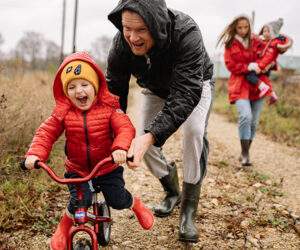
    CASA volunteers provide a voice during sometimes scary and complex moments in a foster child’s life experience. Creating a new connection with a child or teen isn’t always easy. Experiences such as going for ice cream, flying a kite, or choosing a movie help a CASA volunteer and youth talk, share, and connect.

    VOICES offers activities from toddlers to teens in locations throughout Maricopa County. Simply being present and giving the child something to look forward to is an important part of building that connection.

    Said one CASA volunteer: “My CASA child loves going to the movies. One of our best bonding experiences. I really appreciate these tickets”. Another exclaimed of an indoor museum: “Great way to help beat the heat during summer and get siblings together! The kids loved it!”

    Sometimes the activities are things that you often do with your child but might be the CASA child’s first experience: “I got the kite for my youth and he was so DELIGHTED, we had a great day flying it and he was really happy to have it so he could also enjoy it with friends,” said one CASA Volunteer”.

    Need some Fall Fun with your family?

    Fall fun means hay rides, pumpkin patches and petting zoos at Pumpkin Farms all over the Valley, such as: Vertuccio Farms in Mesa, MacDonalds Ranch in Scottsdale, Tolmachoff Farms in Glendale or Mother Nature’s Farm in Gilbert and more! Don’t forget the caramel apples or pumpkin spice anything!

    Community & Youth Connections – Paul Revere Academy, EVIT

    Teens in foster care face unique challenges with completing high school, preparing for college or gaining skills to use in the workplace. A new partnership is focusing on directly addressing these teens’ need to catch up despite changing schools, to learn despite serious trauma, and to believe they too can be a high school graduate, attend college or find employment in meaningful work.

    East Valley Institute of Technology and the Heritage Academy created the Paul Revere Academy in Mesa to provide academic, career technical education (CTE) and other services supporting the unique needs of foster youth.

    Stephanie Lund, Principal at Paul Revere Academy, shared students enrolled in a CTE concentrator program achieve higher graduation rate while also equipping youth with practical, relevant occupational skills and experience. Students at Paul Revere Academy explore different career and technical programs with caregivers, mentors, or counselors, and can choose a program where the youth can feel successful with the group learning environments and academic/skill level.

    Equally as important, this program surrounds and supports the foster youth with trauma-informed teachers, small class sizes, transportation, dual enrollment options, and the ability to be workforce-ready upon graduation. To address the housing needs (especially for teens who age out of foster care) is a new dormitory under construction now.

    Check out the Paul Revere Academy to learn more!

    In Focus: AZ Department of Child Safety

    Why it matters: CASA volunteers must remain politically neutral when executing their CASA duties. They are appointed by Juvenile Court Judges and bound by Judicial protocols. However, they need to be aware and understand how changes in judicial policy and/or legislative actions may impact their day-to-day advocacy and how they engage with others involved in a child’s dependency.
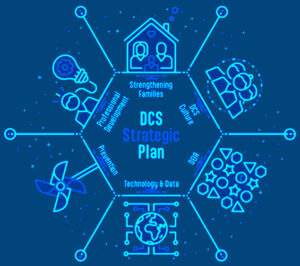
    VOICES maintains collaborative relationships with child welfare partners and stays abreast of key issues and outcomes. This insight helps us identify new areas of education or support for CASA volunteers. This also includes societal issues that impact the environment in which we all live. We will feature key themes here.

    In the News: The Arizona Department of Child Safety (DCS) issued a press release announcing that the number of Arizona children in out of home dependency dropped below 10,000 for the first time since July 2008. https://dcs.az.gov/news/dcs-reaches-milestone-not-seen-2008

    They also issued their FY2024 Strategic Plan. You can see the full two-page summary here: https://dcs.az.gov/about/strategic-plan

    Strengthening Advocacy Through Education – Supporting Youth in Times of Transition

    Many schools are out for Fall break and families in the valley are adjusting their schedules as the holidays are just around the corner. For youth in foster care, this time of the year can be especially challenging. As Bruce Perry stated, “The capacity to successfully transition from one place to another, one activity to another, one internal state to another is fundamentally related to the capacity to self-regulate.

    And this, of course, is one of the main areas of difficulty with children and youth who have been exposed to developmental chaos, threat and trauma.”

    For the adults who surround these youth, it’s important to anticipate when transitions are coming and to equip youth with the skills and support they need to stay regulated. In the next few weeks, VOICES will continue to provide CASA’s with educational webinars encompassing this topic of regulation and de-escalation. Participants will gain practical tools and expand their knowledge on trauma and how it can show up in times of transition. We are bringing back some well-received speakers such as Dr. Kevin Powell and Molly Strothkamp, as well as welcoming new faces such as Noelle Hause from Zero to Three. We look forward to connecting with CASA’s as they tune in to our upcoming training opportunities!

    To learn more about mastering transitions, check out the following episode of the Empowered to Connect Podcast.

    (This was the Voices of Hope Newsletter, October 2023. Subscribe to receive more newsletters.)

Thank you for your interest in becoming a CASA.

After completing this form you will be directed to the CASA volunteer application which is located on the CASA of Maricopa County website. If you have any questions please contact us at info@voicesforcasachildren.org.

Thank you! You will now be directed to the CASA application. Feel free to call us during business hours - (480) 685-4888.

Learn More header

Thank you for your interest in becoming a CASA.

After completing this form you will be directed to the CASA volunteer application which is located on the CASA of Maricopa County website. If you have any questions please contact us at info@voicesforcasachildren.org.

Thank you! You will now be directed to the CASA application. Feel free to call us during business hours - (480) 685-4888.