
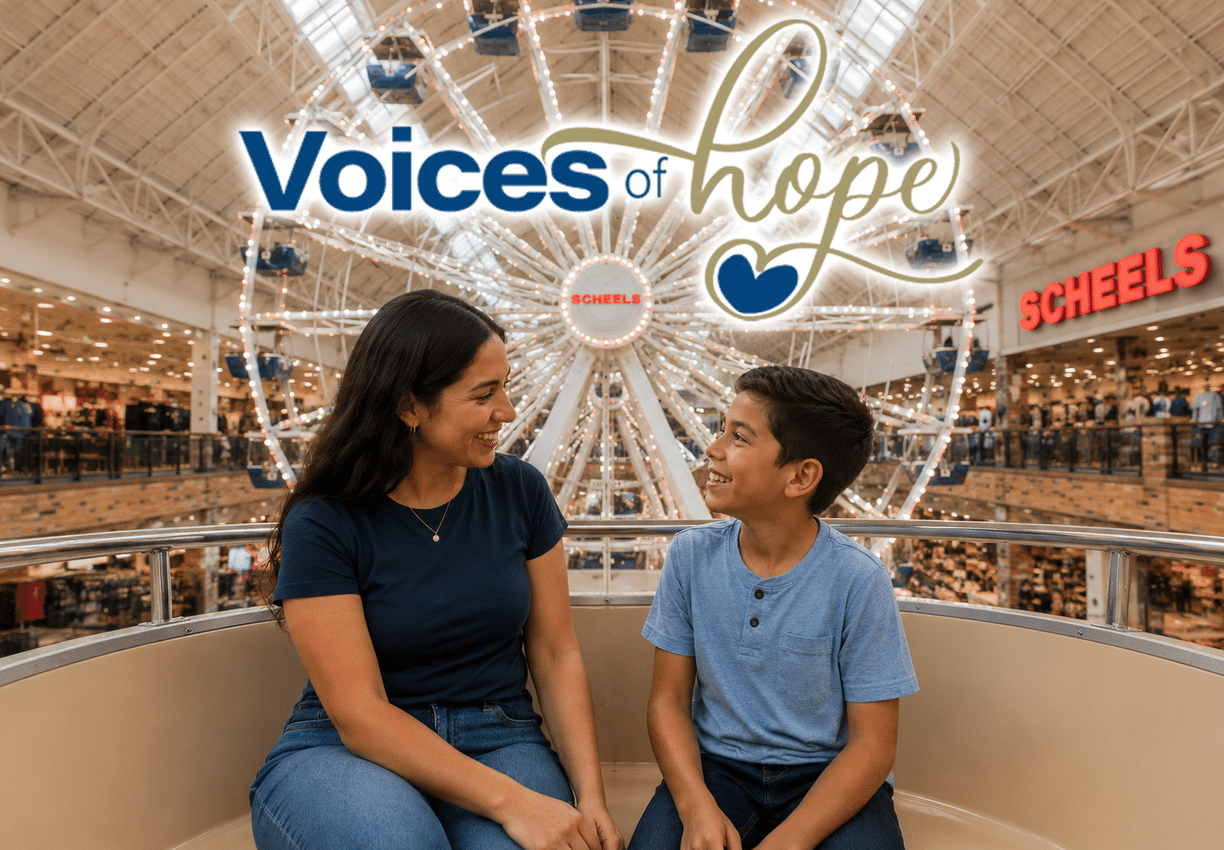
Every voice matters
This month, we dive into a reality that is often misunderstood: the lives of children and families navigating the child welfare system. Through powerful testimonials, educational insights, and tangible actions, our newsletter explores what it truly means to be heard, supported, and valued in a journey marked by uncertainty. Join us for an essential conversation about understanding, dignity, and hope.
IN THE SPOTLIGHT
What do we really understand about foster care?
There are plenty of assumptions about children and young people living in foster care, biological parents, foster and kinship families, and the child welfare system. But the reality is often more complicated—and more human—than what we see from the outside.
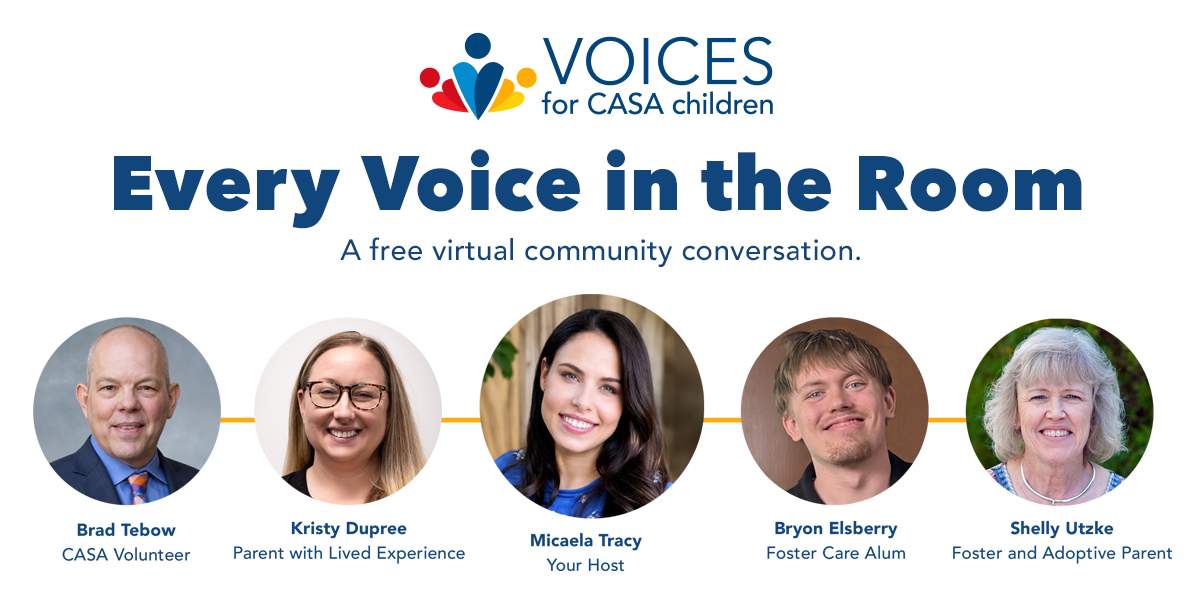
On Thursday, September 24, join Voices for CASA Children for Every Voice in the Room, a free virtual community conversation about what children and families experiencing the foster care system actually encounter.
Moderated by Micaela Tracy, the conversation will bring together four people with different perspectives and experiences within the foster care system:
- A CASA volunteer
- A parent with lived experience
- A foster care alumni
- A foster and adoptive parent
Together, they’ll explore what people often get wrong about foster care, what they wish others understood, and what can make a meaningful difference for children and families every day.
This is an opportunity to listen, learn, and see foster care from perspectives you may not have considered before. No prior experience with foster care is needed—just curiosity and a willingness to listen.
Every Voice in the Room
Thursday, September 24, 2026
6:30–7:30 p.m. Arizona time
Virtual via Zoom
Free and open to the public
Come hear the stories, perspectives, and experiences that can help us better understand the impact of foster care—and how we can support children and families in our community.
My CASA journey
Why they keep showing up
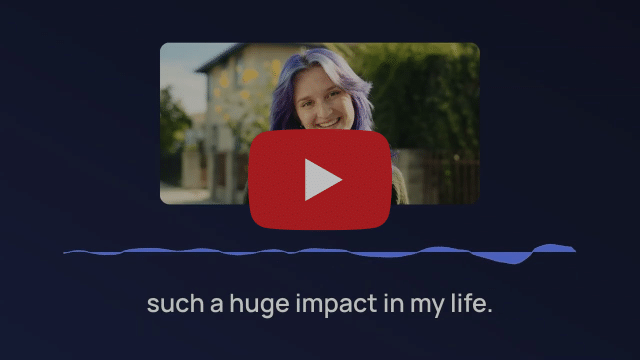
Earlier this month, we interviewed Jasmine Jordan, a young adult who works at a nonprofit that supports youth transitioning out of foster care. In her interview for our By Their Side podcast, host Micaela Tracy asked Jasmine about her own experience as a child living in foster care. Jasmine shared that her experience was shaped in large part by her relationship with her CASA volunteer.
She described her CASA volunteer as someone who showed up consistently and made her feel valued and seen at a time when so much of her life felt uncertain. That steady presence did more than carry her through a difficult season. Jasmine shared that the support helped shape her into the young adult she is today, and that it is part of what drew her to a career walking alongside young people on the same path.
Watch the four-minute clip above to hear Jasmine describe her CASA volunteer experience.
Want to make a difference in your community?
If this story speaks to you come join us at our next information session, and learn what it really means to become a CASA Volunteer.
Community Voice
One less thing to worry about
For a child living in foster care, life can come with a lot of uncertainty — where they will live, where they will go to school, what will change next.
Having the everyday things they need shouldn’t be another source of worry.
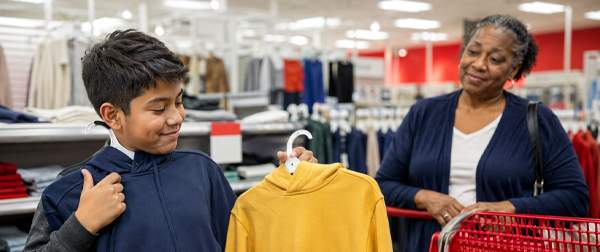
Through VOICES’ Essential Needs Fund, CASA volunteers can help provide the children they advocate for with clothing, shoes, personal care products and other necessities that might otherwise go unmet.
Sometimes the need is straightforward: shoes that fit or clothes for school. Other times, it is something more specific — textured hair care products, maternity clothing for a pregnant teen in care, pajamas for a young person in a behavioral health facility, a weighted blanket or swimwear so a child can participate in swim lessons.
These are ordinary things. But having them can make an extraordinary difference in helping a child feel comfortable, prepared and cared for during a time of tremendous change.
Because CASA volunteers know the children they serve, they are often the ones who see these needs. VOICES gives them the resources to respond.
When appropriate, CASA volunteers receive a $50 Target gift card so they and the child can shop for exactly what is needed. The gift card is simply the tool. What it really provides is reassurance that when a need arises, someone sees it — and someone is there to help.
Your support makes that possible.
A $50 donation can help meet an essential need for one child. Any amount helps us make sure more children across Maricopa County have what they need, when they need it.
Education
Closing the Gap

According to the Annie E. Casey Foundation, educational outcomes for children within child welfare are improving! The data tells us progress is possible, but the work isn’t done yet! These children are still far less likely to graduate high school on time than their peers, are more likely to switch schools multiple times, and often face long-term impacts from this instability.
Equipping CASA volunteers with the necessary resources and up-to-date information is critical in the success of the children they serve.
VOICES for CASA Children’s education team has been working over the summer to equip CASA volunteers to effectively advocate for youth within the school system. We partnered with local educational advocates and organizations to provide specialized training specifically tailored to the role of a CASA volunteer.
An educated and effective CASA volunteer identifies things that might otherwise go unnoticed in a child’s educational journey. They may recognize gaps in the curriculum as a child moves from one school to another, the need for glasses as a child falls behind suddenly for seemingly unexplained reasons, or request an IEP (individual education plan) when they have concerns.
Every gap a CASA volunteer catches is a moment that could have otherwise slipped through the cracks. With more CASA volunteers in their corner, we hope to see more children walking the graduation stage on time!
Sources:
Annie E. Casey Foundation. (2025, September 17). Foster care education outcomes: New research challenges the 3% myth. https://www.aecf.org/blog/foster-care-education-outcomes-new-research-challenges-the-3-myth
Gao, N., Isler, J., Semykina, A., Ortiz-Gonzalez, I., Stanger, P., Saillard, I., Berryman, K., & Casanova, D. (2025, August). School mobility for students in foster care. American Institutes for Research. https://www.air.org/sites/default/files/2025-08/School-Mobility-For-Students-In-Foster-Care-August-2025.pdf