Stronger together
As summer begins, we are reminded that meaningful change never happens alone. It takes compassionate volunteers, dedicated staff, supportive families, and a caring community all working together to create more hopeful futures for children.
This month, we celebrate the many people who strengthen our mission, from father figures and mentors to the community supporters helping launch our backpack drive and prepare children for a successful school year. Together, we continue building a community where every child feels supported, valued, and connected.
IN THE SPOTLIGHT
When children see themselves in their advocates
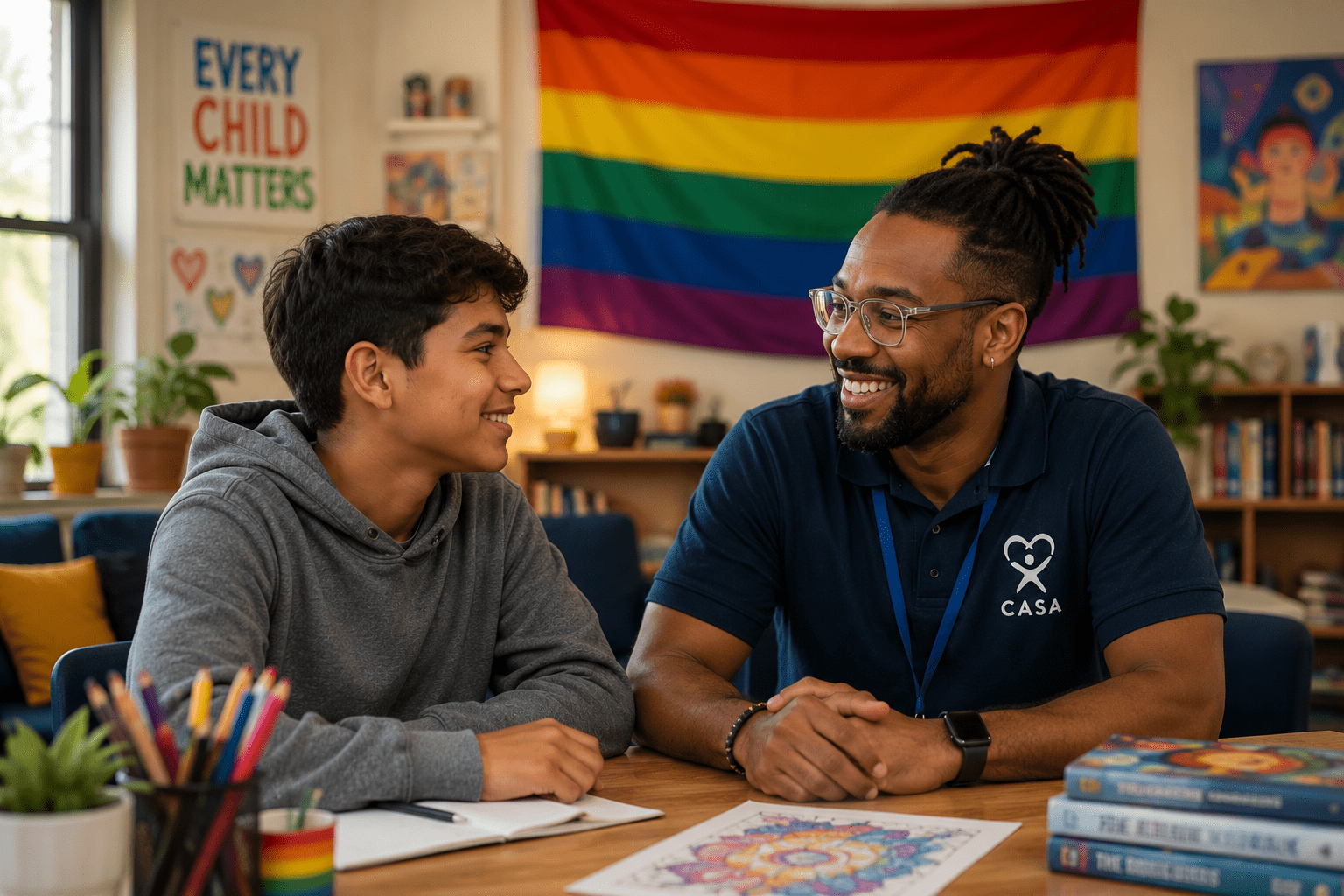
Youth who need a CASA volunteer come from every background, identity, and life experience. When volunteers reflect the diversity of the youth they serve, it helps create stronger connections, deeper trust, and a greater sense of belonging for children navigating difficult circumstances.
For children, having a positive male role model can be life-changing. Research shows that boys and young men who have access to supportive male mentors demonstrate stronger emotional development, improved academic outcomes, and healthier social connections. Male CASA volunteers can provide consistency, encouragement, and mentorship during critical developmental years. Sometimes, simply having a dependable adult who shows up and listens can make all the difference.
LGBTQ+ youth also face unique challenges. Research shows LGBTQ+ youth are significantly overrepresented in child welfare systems and often experience higher rates of victimization, mental health struggles, and housing instability compared to their peers. Affirming adults who support and respect a child’s identity can help improve their emotional well-being and sense of safety. Studies have also shown that foster caregivers trained in affirming practices demonstrate improved support, advocacy, and confidence when caring for LGBTQ+ youth.
We also reflect on the importance of representation and cultural understanding in advocacy. Children of color remain disproportionately represented in foster care systems across the country, making diverse and culturally responsive volunteers more important than ever. Studies show that positive cultural identity and supportive relationships contribute to stronger emotional well-being and a greater sense of belonging for youth.
At the heart of CASA work is one simple truth: children thrive when they have caring adults advocating for them. Whether you are an ally, parent, teacher, retiree, young professional, or community member, your presence matters. Our goal is not to find “perfect” volunteers. It is to find compassionate people willing to stand beside a child and remind them they are worthy of support, dignity, and hope.
When our volunteers reflect the many experiences and identities within our community, we build a stronger support system for every child.
Because representation matters. Connection matters. And together, we are stronger.
Want to make a difference in your community?
If this story speaks to you come join us at our next information session, and learn what it really means to become a CASA Volunteer.
My CASA journey
Supported, valued, connected
Every child is unique and our community provides that connection through a CASA volunteer who finds ways to help them feel supported. It means valuing their interests and building connections.
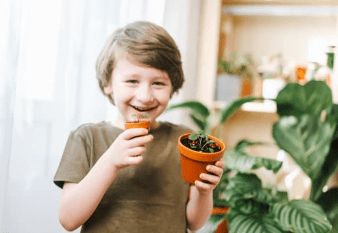
This past month, a male CASA found that sports was not the only interest for his CASA youth. He saw the pure delight in his eyes when they sat down to plant flowers with the Grow Kit VOICES was able to provide with him saying “I’ve wanted to do this for a long time!”
Another CASA knew exactly the type of gift the 16 year old girl longed for and who squealed with delight upon receiving a new skateboard.
This past week a CASA and teen attended Ballet AZ’s evening performance at Desert Botanical Gardens. Her CASA noted: “it showed her how culture is for everybody, how people dress and behave at such events and thanks to you and all who provided such an outstanding experience for a child who would otherwise have no chance to experience it.”
Support, value, connections – it happens one experience at a time.
In focus
Back to school, backed by community
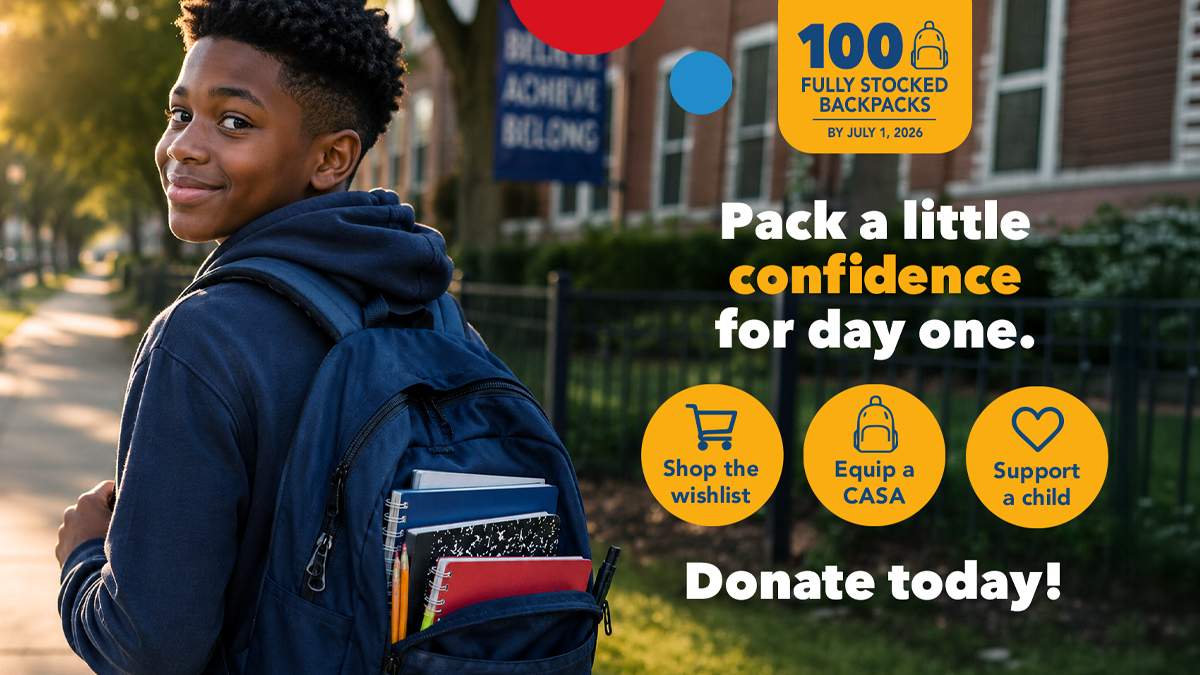
This summer, VOICES is helping youth across Maricopa County head back to school with confidence by providing brand new backpacks filled with age appropriate school supplies. For children living in foster care, these items are essential to them feeling confident and supported when they are sitting in class, while also helping create a sense of normalcy, dignity, and belonging during a time that should be filled with excitement.
Starting school with brand new supplies helps these youth feel prepared and included instead of worrying about standing out because they may not have the essentials they need to be ready for the school year.
The backpacks assembled through this drive will be distributed throughout Maricopa County, from Buckeye to Apache Junction, and CASA volunteers can request additional supplies throughout the school year as needs arise. Every backpack filled is a reminder to a child that their community cares about them and wants them to succeed.
Community voice
Celebrating family reunification in Maricopa County
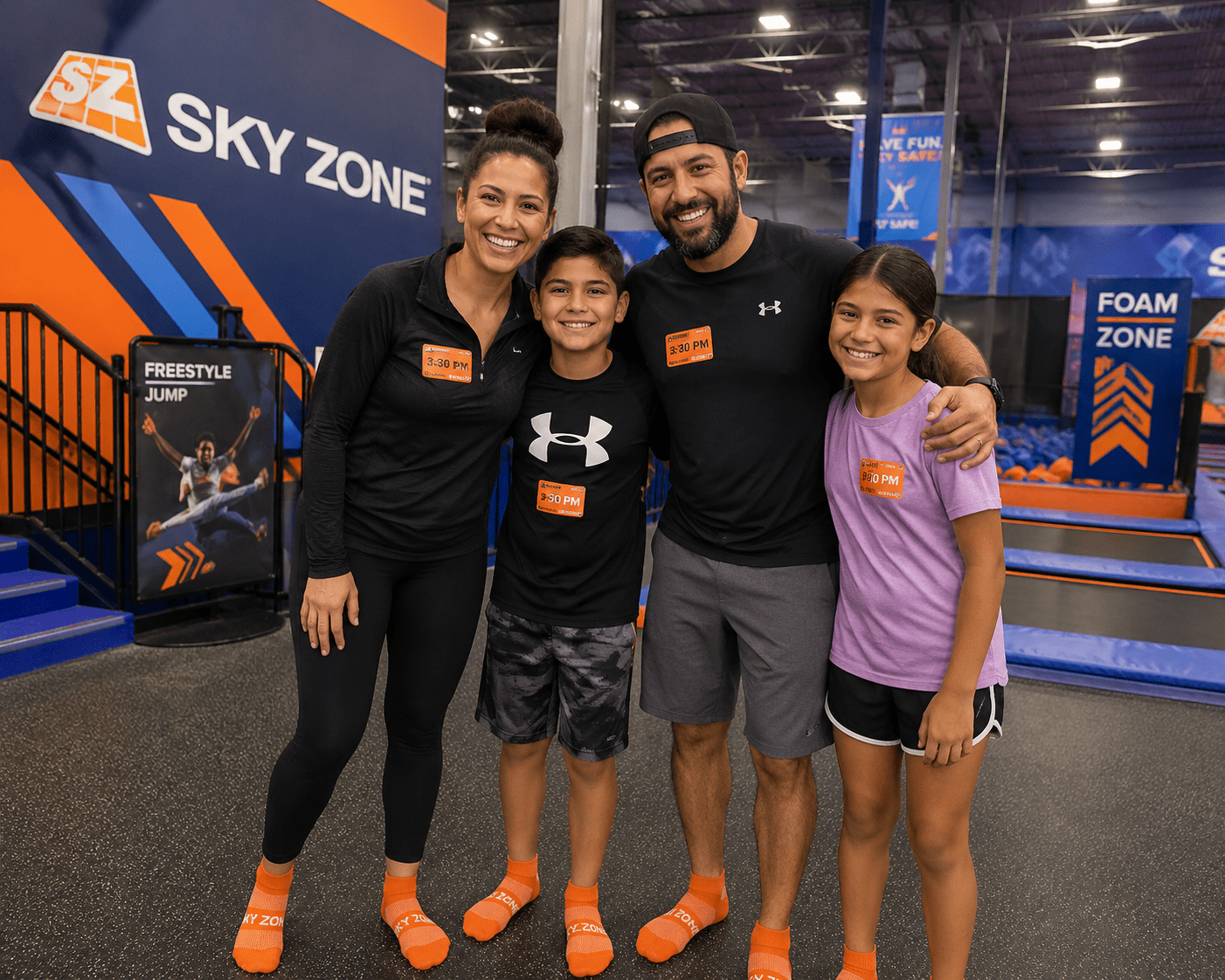
June is Family Reunification Month, a tradition started by the American Bar Association to honor families who have overcome extraordinary challenges to reunite safely and successfully. Here in Maricopa County, this celebration comes to life each year in a powerful way, and Voices for CASA Children is proud to serve as a community partner for Family Reunification Day.
This special in-person event recognizes the unwavering commitment and dedication of parents and caregivers who have worked tirelessly to reunify with their children following involvement with the Department of Child Safety. Reunified families will gather for a day filled with fun, laughter, and celebration, and the event is completely free. Admission, jump socks, and lunch will all be provided.
Family Reunification Day
June 14, 2026
Sky Zone Trampoline Park Phoenix
10:00 AM to 1:00 PM
Please share this invitation with any reunified families you may know so they can RSVP and join the celebration. This event is about more than recognition. It is about honoring resilience and embracing a new narrative for families and children. Reunified families are part of our everyday communities as neighbors, colleagues, and friends, and they deserve to be honored not only in June, but throughout the year.
When families heal, communities grow stronger. Together, we are stronger.
Education
Strengthening advocacy through education
Every child who enters the child welfare system has experienced trauma. According to a study from 2021, 77% of these children will be diagnosed with Post-Traumatic Stress Disorder, or PTSD.
This disorder has toxic effects on a child’s brain, body, and development. PTSD dysregulates the brain, creating a fixation on one goal: survival. A flood of stress hormones follows the dysregulated threat response and wreaks havoc within a child’s body. This can appear as hypervigilance, dissociation, stomach aches, panic attacks, and more.
As a CASA volunteer, I can not only pick up on these signs, but also elevate the concerns to the appropriate team members and request an evaluation. I can then walk alongside a child experiencing this disorder as they search for solutions. PTSD does not have a quick fix. It takes work, therapeutic interventions, and sometimes thinking outside of the box. I can connect my child’s team to unorthodox interventions like boxing therapy or animal-assisted therapy.
Beyond connecting teams to resources, I also provide a safe, supportive relationship. When a child feels safe enough to open up, speak, and ask questions, this often supports and accelerates the healing process.
In my experience, simply creating a sense of safety can be one of the most powerful things we offer a child experiencing PTSD.